
The Complete Guide to the Perfect Derma Peel: Results, Cost, & Timeline
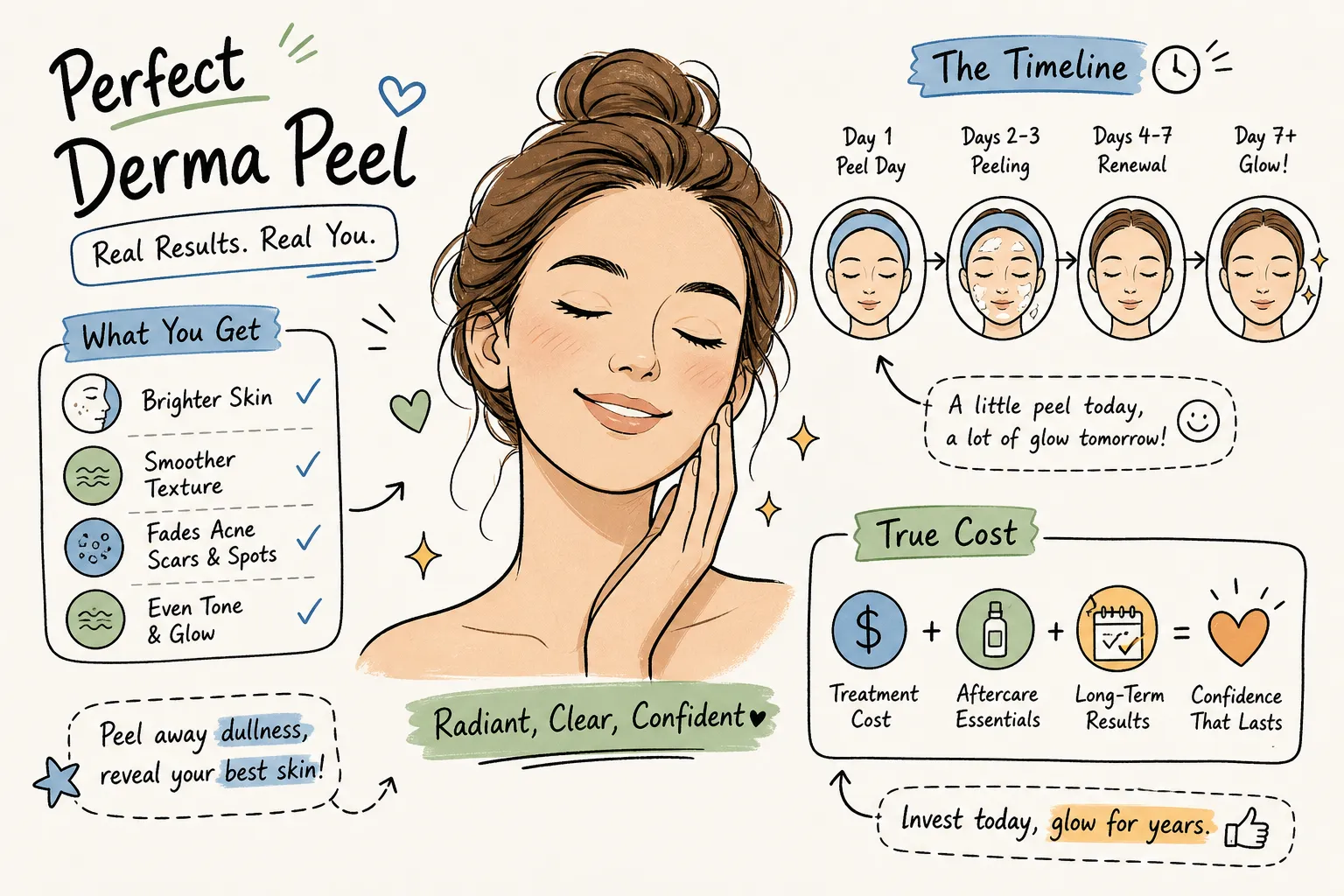
If you've been staring at dark spots that won't budge, acne scars that survived everything you've thrown at them, or a skin tone that just looks tired, you've probably started researching chemical peels. The Perfect Derma Peel keeps coming up for a reason. It's not a standard TCA peel you can order online. It's a medical-grade, seven-ingredient formula designed to work deep within the skin's layers, and clinical outcomes for melasma and hyperpigmentation consistently show 60 to 80 percent improvement when the treatment is performed correctly.
At TimeLyss Med Spa on the Upper West Side, our credentialed nurse practitioner performs the Perfect DermaTM Peel treatment as part of a personalized skin plan. That clinical background matters with a peel this advanced. The skin assessment, application technique, and aftercare guidance all require someone with genuine medical training and hands-on experience with a range of skin tones and concerns.
This guide covers exactly how the formula works, what your skin goes through day by day, which concerns it actually treats, what the risks are, and what you can realistically expect to pay.
What Makes the Perfect Derma Peel Different From Other Chemical Peels
Most chemical peels use a single acid to resurface the skin. The Perfect Derma Peel combines seven active ingredients: TCA, Phenol, Retinoic Acid, Salicylic Acid, Kojic Acid, Vitamin C, and Glutathione. The formula has a pH of 1.3 to 1.4, which allows this blend to penetrate all the way to the papillary dermis, a meaningful depth for treating pigmentation and stimulating real collagen production.
The ingredient that sets this peel apart from every other medical-grade peel is Glutathione. No other medical-grade peel includes it. Glutathione penetrates into the basal layer of the skin and inhibits melanin overproduction while neutralizing free radical damage. TCA and Phenol drive the controlled exfoliation that signals your skin to produce new collagen and elastin. Retinoic Acid normalizes cell turnover. Salicylic Acid clears pores. Kojic Acid and Vitamin C add brightening and antioxidant protection throughout the process.
Compare that to a standard standalone TCA peel, which resurfaces the skin but does nothing to prevent post-peel pigmentation. The multi-acid approach here resurfaces and actively protects, which is why providers consider it a safer option for uneven skin tones. This is also why it's classified as a medium- depth professional peel that needs to be applied in a controlled clinical setting by a trained provider.
Which Skin Concerns This Peel Is Actually Built to Treat
Dark Spots, Melasma, and Hyperpigmentation
This is where the evidence is strongest. The Perfect Derma Peel treatment shows 60 to 80 percent improvement in most melasma patients when paired with consistent sun protection. The formula attacks pigmentation from multiple angles: Glutathione regulates melanin production deep within the basal layer, Kojic Acid suppresses surface pigment, and Salicylic Acid clears the way so brightening agents can actually penetrate. Moderate-to-severe melasma typically requires a series of three treatments spaced four weeks apart for meaningful, lasting results.
Acne Scars and Active Breakouts
Glutathione accelerates cellular turnover to break down post-acne marks, while Salicylic Acid unclogs pores and reduces the bacteria responsible for active breakouts. Many clients see visible improvement in post-acne marks within seven to fourteen days after a Perfect Derma Peel treatment. Deeper, pitted acne scars typically need two to three sessions and may benefit from complementary in-office procedures, such as microneedling or laser therapies, to target the underlying structural damage. Discuss the best combination approach with your provider. The manufacturer classifies the formula as safe for Fitzpatrick IV through VI skin types, though darker skin does carry elevated risks that we'll cover shortly.
Fine Lines, Texture, and Dull Tone
Retinoic Acid and TCA work together to stimulate collagen and elastin production, tightening the skin and softening fine lines over time. A single treatment produces noticeable texture improvement, but deeper aging concerns respond best to a series. The fresh skin that emerges after peeling is brighter and more even than before, and that clarity continues to develop for one to two weeks after peeling ends.
Your Day-by-Day Perfect Derma Peel Timeline
Understanding what's coming makes the process far less stressful. The peel follows a predictable cycle, and knowing where you are in it helps you stick to aftercare instead of panicking.
Days 1 and 2: The peel stays on your skin for six hours after application. Expect tightness and warmth, similar to a mild sunburn, but nothing peels yet. On Day 2, you can cleanse gently and even wear light makeup. Skin may look pink and feel a little itchy. Most people feel completely fine and wonder if anything is happening. It is, the real work is happening beneath the surface, where the formula is already signaling cell turnover and melanin regulation.
Days 3 through 5: Day 3 is when peeling begins, usually starting around the nose and mouth where facial movement is greatest. Days 4 and 5 are the most intense phase: the entire face peels, including the cheeks and forehead, and skin feels tight and itchy. This is genuinely the hardest stretch of downtime. The most important rule during this phase is to not pick, pull, or peel skin manually. Doing so significantly raises the risk of scarring and post-inflammatory hyperpigmentation. Apply a gentle moisturizer two to three times daily, use SPF 30 or higher every morning, and skip all active ingredients completely.
Days 6 through 14: By Days 6 and 7, peeling subsides and fresh skin emerges. The skin looks brighter, clearer, and noticeably more even. Days 8 through 10 bring continued refinement as the new skin settles. By Days 11 through 14, peeling is fully complete and you can resume maintenance serums. Final results in pigmentation and texture become most visible one to two weeks after peeling ends, and collagen-building continues for weeks beyond that.
Side Effects, Risks, and Who Should Skip This Treatment
The normal side effect spectrum includes redness, swelling, tightness, itchiness, and peeling. These are expected and temporary, typically resolving within a week. Experienced providers connect these responses directly to the peeling timeline above, so you'll know what's normal and what isn't. Warning signs that require a call to your provider include severe blistering, signs of infection, or redness that persists beyond Day 10.
Certain people should not get this peel at all. The contraindication list includes:
- Pregnant or breastfeeding individuals
- Anyone who has used Accutane within the past four to twelve months
- Those with active rosacea, eczema, or psoriasis in the treatment area
- Anyone with open wounds, active cold sores, or sunburned skin
- Those with a history of keloid scarring or an allergy to aspirin or salicylates
For darker skin tones, specifically Fitzpatrick IV through VI, the risk of post-inflammatory hyperpigmentation (PIH) is real and worth understanding. When the peel causes "frosting" on the skin and that reaction isn't managed carefully, it can trigger significant darkening in melanin-rich skin. An experienced provider knows how to read frosting response and adjust application accordingly. This is not a treatment to receive from an untrained technician. Research on peel safety for melanin-rich skin consistently emphasizes the importance of an experienced, medically trained provider who can assess your Fitzpatrick type, apply conservatively, and monitor your response in real time to minimize PIH risk.
What the Perfect Derma Peel Costs and How Many Sessions You Actually Need
Across the United States, most providers charge between $300 and $500 per session, with the national average landing around $300 to $325. In New York City, pricing trends higher: expect to see single-session prices in the $275 to $395 range at Manhattan clinics. Some providers offer package pricing that lowers the per-session cost. Three sessions packaged together may run $595 to $775 depending on the provider. Add-ons like dermaplaning or brightening boosters increase the price further.
A single session produces noticeable improvement for most people, but a series of two to three treatments spaced four weeks apart is the standard recommendation for concerns like melasma, acne scarring, or moderate signs of aging. Severe scarring or stubborn melasma may require up to four sessions. After the initial series, maintenance treatments every three to six months preserve your results. Budget for a series from the start and view it as a compounding investment in your skin rather than a one-time fix.
Pre and Post-Peel Care That Protects Your Results
Preparation matters more than most people expect. Follow your provider's specific instructions on stopping retinoids and other active ingredients before your appointment, many clinicians recommend pausing them for a variable period prior to treatment, so get that timeline directly from your provider. Avoid waxing or mechanical exfoliation in the days leading up to your appointment, and stay out of direct sun. For Fitzpatrick IV through VI skin types, priming protocols often begin four to six weeks before the peel and typically include melanin-inhibiting ingredients such as hydroquinone, azelaic acid, or kojic acid. Your provider will give personalized prep instructions based on your skin type and history, which is why the provider you choose matters as much as the peel itself, a gentle priming routine tailored to your needs, including a mild cleanser and appropriate barrier support, sets the stage for better results and fewer complications.
Aftercare determines your results as much as the treatment itself. The non-negotiables are:
- No picking, rubbing, or manually peeling skin under any circumstances
- Moisturizer applied two to three times daily throughout the peeling phase
- SPF 30 or higher every morning, every day, and if you're heading outdoors, SPF 50 with frequent reapplication and physical sun avoidance
- No intense exercise or activities that cause heavy sweating until peeling completes
- No active ingredients like retinoids or acids until skin has fully healed around Days 11 through 14
The aftercare step most people underestimate is ongoing sun avoidance after the peel is complete. The treatment removes existing pigment, but UV exposure creates new pigment quickly. Consistent SPF use in the weeks following treatment is what keeps melasma from returning and keeps your results intact long-term.
Is the Perfect Derma Peel Right for You?
Perfect Derma Peel Review: Before and After Expectations
The Perfect Derma Peel is a well-established medical-grade treatment with strong clinical evidence for hyperpigmentation and melasma, and meaningful results for acne scars and early signs of aging. The downtime is manageable when you know what to expect. The cost is predictable when you plan for a series. And the formula's combination of resurfacing acids and antioxidant protection gives it capabilities that standard single-acid peels simply don't match.
Before and after outcomes vary based on skin type, concern severity, and number of sessions, which is exactly why a thorough consultation matters. Most clients pursuing a professional peel before and after comparison see the clearest difference in tone and texture between Days 11 and 21, as the new skin fully settles and collagen production continues. The single most important decision in this process is choosing a qualified provider. Application technique, the ability to read your skin's response in real time, and the quality of your pre and post-peel guidance all depend on the expertise of the person performing your treatment. That's especially true for darker skin tones, where an experienced eye makes the difference between great results and avoidable complications.
If you're in New York City and ready to find out whether this peel is the right fit for your skin, TimeLyss Med Spa on the Upper West Side is a strong place to start. Our board-certified clinician will assess your skin, walk you through the right protocol for your concerns, and ensure every treatment is performed with the level of care and precision this peel demands. Book a consultation and get a clear, honest picture of what your skin needs and what's realistically possible.
Frequently Asked Questions
What is the Perfect Derma Peel used for?
The Perfect Derma Peel is primarily used to improve skin tone, reduce dark spots, and treat acne scars by penetrating deeper layers of the skin.
How should I prepare for a Perfect Derma Peel?
Preparation typically involves avoiding sun exposure and certain skincare products for a few days before the treatment to minimize sensitivity and enhance results.
What can I expect during the recovery period?
During recovery, it’s common to experience redness and peeling. Following proper aftercare is essential to soothe the skin and achieve optimal results.
How often can I get a Perfect Derma Peel?
The frequency of treatments varies based on individual skin types and conditions. Many clients opt for a series of peels spaced a few weeks apart for best results.
Why is a skin assessment important before a chemical peel?
A skin assessment helps identify unique skin challenges and ensures that the treatment plan is tailored to the individual's specific needs.
About the author

Dr. Alyssa Casciorizzo, DNP, APRN, FNP-BC, NP-C
As a Doctor of Nursing Practice (DNP) and board-certified Family Nurse Practitioner (FNP-BC, NP-C) with over 8 years of experience, I focus on injectables like Botox, dermal fillers, and Sculptra, along with regenerative treatments such as PRP and advanced skincare solutions. I use cutting-edge techniques and a deep understanding of facial anatomy to create natural, transformative results.
Beyond my clinical expertise, I am a passionate Aesthetic Dermatology Nurse Practitioner dedicated to continuous education. This commitment to learning allows me to provide top-tier care and deliver treatments that leave patients with radiant, rejuvenated skin.